Product Introduction
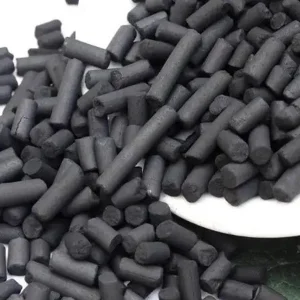
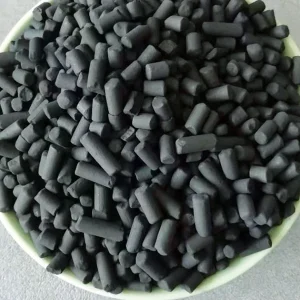
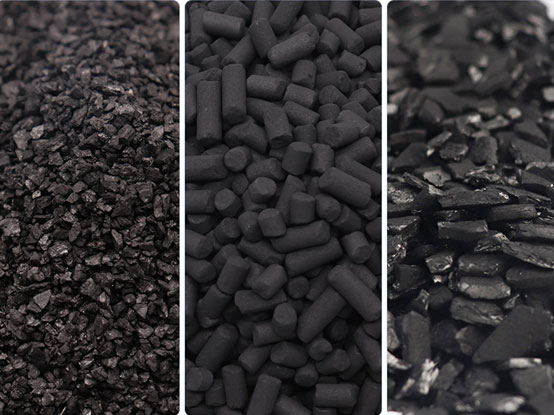
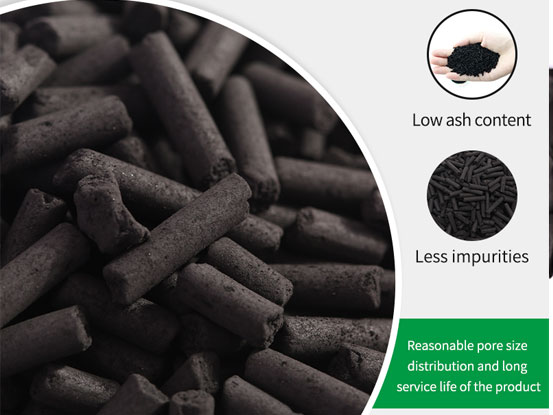
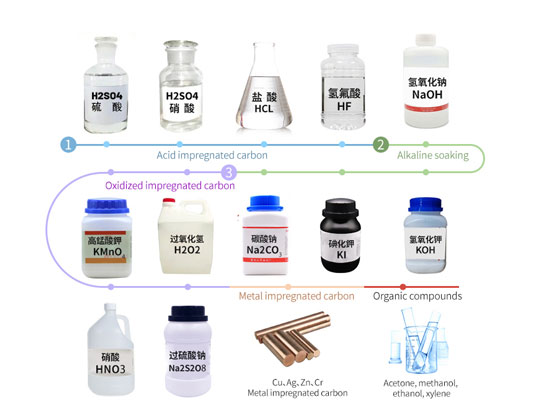
Impregnated activated carbon functions by augmenting the intrinsic adsorptive properties of activated carbon via the incorporation of specific chemical agents. Substances including sulfur, potassium hydroxide (KOH) and silver are infused into the porous framework of activated carbon during the impregnation process. This modification enables the material to target and eliminate specific contaminants with significantly higher efficiency compared to conventional activated carbon.
Various Types of Impregnants
- Metals/Metal Salts: Silver (Ag) for antibacterial purposes; iodine (I₂) for mercury adsorption; copper oxide (CuO) for desulfurization.
- Acid-Alkali Reagents: Potassium hydroxide (KOH) for capturing acidic gases (e.g., CO₂, H₂S); phosphoric acid (H₃PO₄) for enhancing organic matter adsorption.
- Catalysts: Platinum (Pt) and palladium (Pd) for the catalytic oxidation of volatile organic compounds (VOCs).