Product Introduction
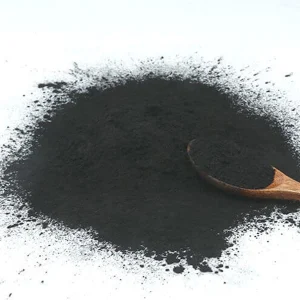
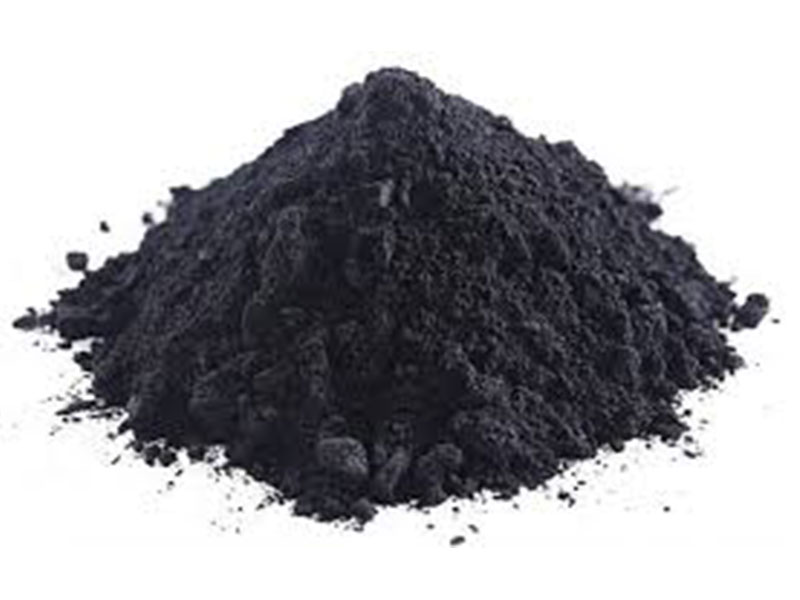
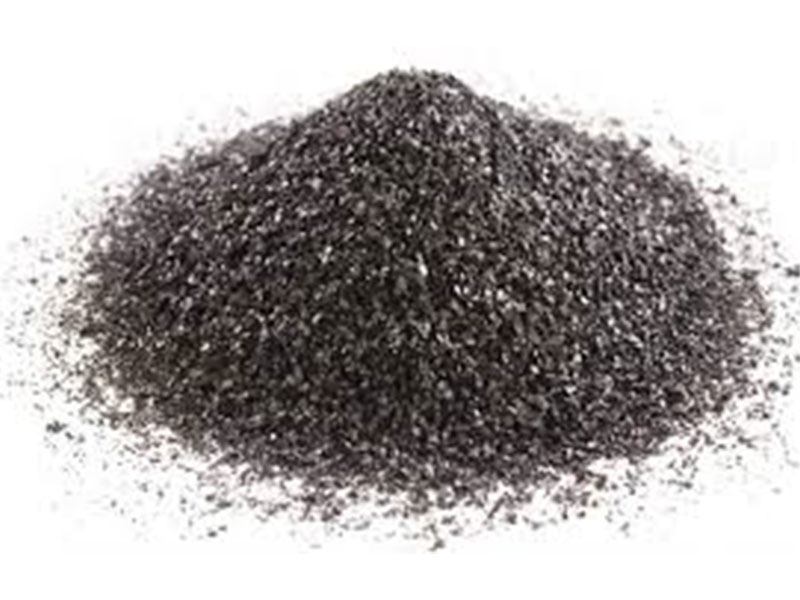
In gold and silver recovery applications, steam-activated coconut-shell carbon demonstrates outstanding efficacy. Each ounce of gold recovered directly contributes to profit growth, which underscores the critical importance of selecting high-quality activated carbon. Below is a fundamental overview of steam-regenerated activated carbon:
Operation Process
- Adsorption Stage: Airflow is passed through a tank or tower packed with activated carbon, where VOCs and other contaminants are adsorbed onto the carbon matrix.
- Desorption Stage: When the activated carbon reaches adsorption saturation, the airflow is shut off, and steam is introduced into the system to heat the carbon, thereby desorbing the adsorbed substances.
- Condensation Recovery: Steam laden with desorbed VOCs is routed through a condenser; upon cooling, liquid VOCs are separated for recovery, while the steam condenses into water.
The initial oxidation and carbonization processes are conducted at a controlled temperature of up to 500°C. Oxidation commences at 150°C and proceeds progressively as the temperature rises to 500°C during the carbonization phase. This stage yields a product free of volatiles, with a relatively underdeveloped pore structure. During the activation stage, when steam temperature exceeds 1,000°C, an extensive internal surface area is formed. The exothermic reaction of carbon converting to CO₂ generates excess energy, which can be harnessed for steam production or power generation. The carbonization and activation processes are compatible with operation in various kilns and furnaces.
Advantages
- High Adsorption Capacity: The material’s large specific surface area and robust adsorption capability enable efficient removal and recovery of VOCs.
- Recyclable: Activated carbon can be regenerated and reused multiple times via steam desorption.
- Environmentally Friendly and Energy-efficient: It reduces hazardous gas emissions and elevates the level of clean production.
Disadvantages
- High Initial Investment: The associated equipment and system entail substantial upfront costs.
- Regular Maintenance Required: The adsorption-desorption efficiency of activated carbon may decline with repeated use, necessitating regular replacement or regeneration.
This approach not only effectively reduces airborne hazardous substance emissions but also conserves resources, achieving the dual objectives of environmental protection and economic benefits.