
Product Introduction
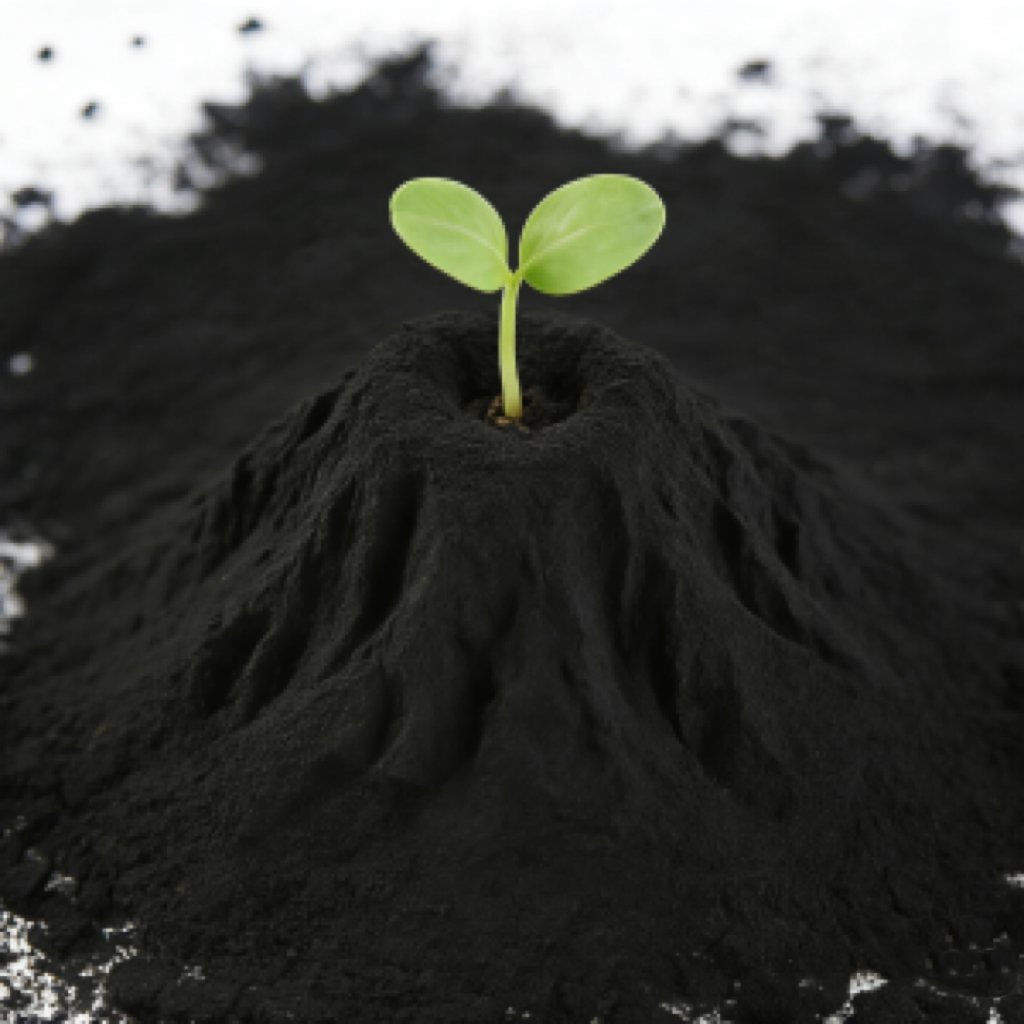
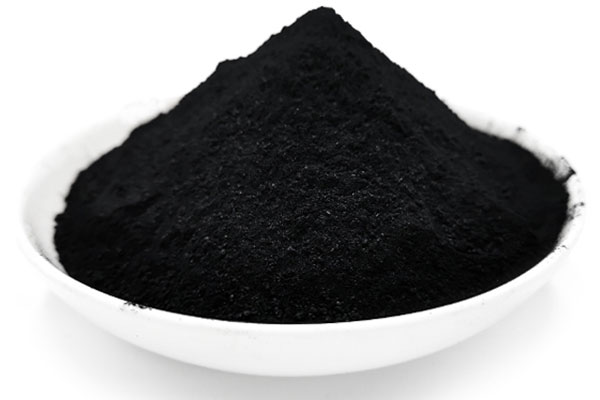
Biochar is a charcoal-derived material that serves as a soil conditioner, promotes plant growth, offers diverse agricultural applications, and enables carbon capture and sequestration (CCS). When utilized as a soil amendment, it fulfills two primary functions: enhancing plant health and facilitating carbon storage. It is projected that at least 50% of the carbon in biomass waste converted into biochar becomes stabilized, sequestering the carbon for periods ranging from several to hundreds of years. This offsets the waste’s potential contribution to greenhouse gas emissions in the form of carbon dioxide.
Raw Materials of Biochar
Biochar can be produced from a variety of feedstocks, including agricultural residues, wood waste, livestock manure, and sewage sludge.
Key Characteristics of Biochar
- High Porosity & Strong Adsorptivity: Biochar possesses a well-developed pore structure, endowing it with a large specific surface area and excellent adsorption performance.
- Alkaline Nature: Biochar is generally alkaline, a critical attribute for amending acidic soils.
- Superior Electrical Conductivity: As a high-performance conductive material, biochar enables efficient electrical energy transfer during electrolytic processes.
- Stable Carbon Structure: The carbonaceous framework of biochar is highly stable; when buried in soil, it can persist for hundreds to thousands of years without degradation.
- High Calorific Value: Produced via biomass pyrolysis, biochar undergoes the removal of moisture and volatile organic compounds, resulting in a carbon-rich matrix. This high carbon content ensures substantial energy release during combustion.
The application effects of biochar are analogous to those of chemical fertilizers, as both contribute to soil improvement and enhanced soil fertility. Crop growth is inherently dependent on soil quality; however, due to inherent soil characteristics, crops require fallow periods during cultivation, during which soil productivity is significantly reduced. Historically, two primary approaches have been employed to address this issue: no-till farming and compost application. While chemical fertilizers can indeed enhance soil fertility, their efficacy diminishes over time due to volatilization, leading to suboptimal soil improvement outcomes. In contrast, biochar exhibits low volatility in soil and can significantly increase soil carbon content, delivering sustained benefits.