Product Introduction
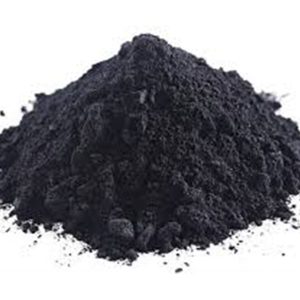
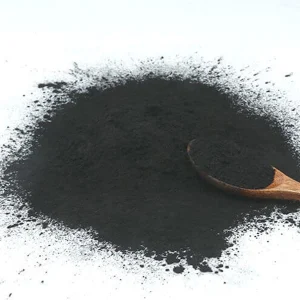
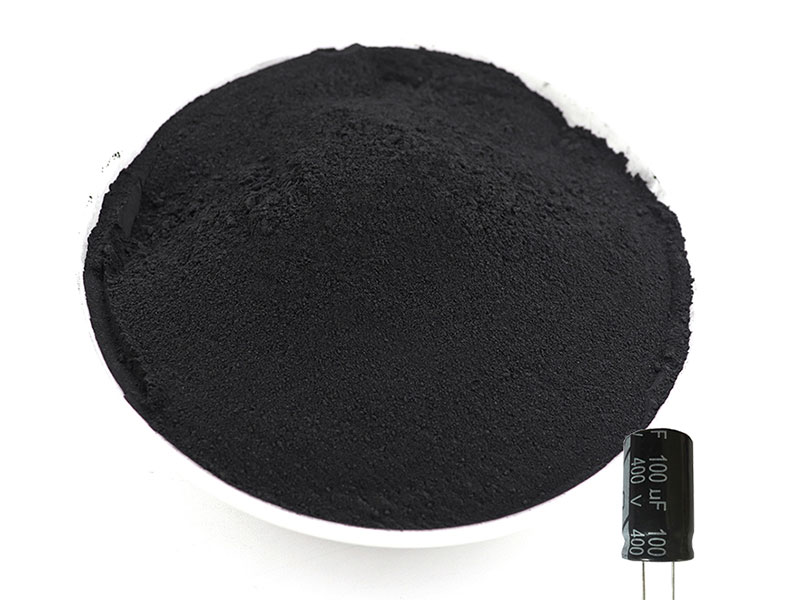
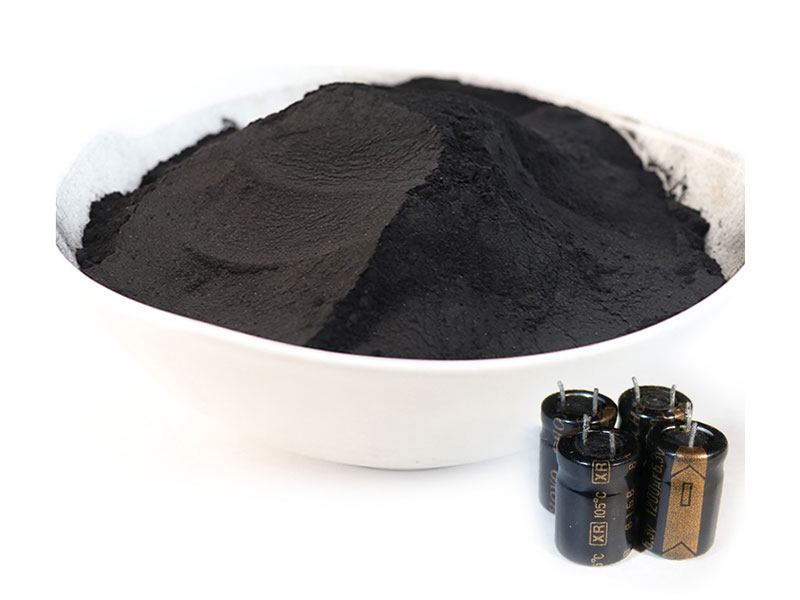
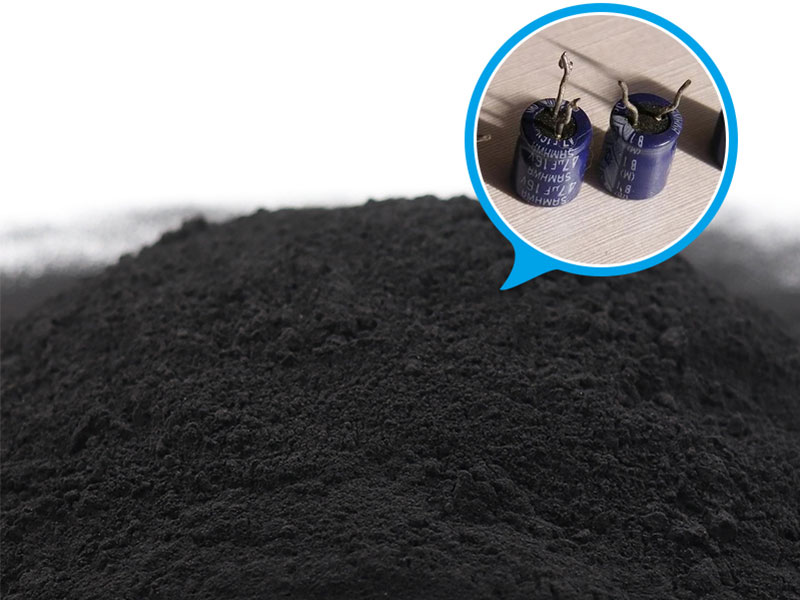
Supercapacitor activated carbon, commonly referred to as ultra-activated carbon or carbon electrode material, possesses the characteristics of a large specific surface area, concentrated pore distribution, low ash content, and excellent electrical conductivity. It is suitable for manufacturing high-performance batteries, electric double-layer capacitor (EDLC) products, and carriers for heavy metal recovery.
Applications
As a novel type of high-adsorption activated carbon, supercapacitor activated carbon is primarily utilized in supercapacitors (also known as electric double-layer capacitors or electrochemical capacitors). It features a large specific surface area, superior electrochemical performance, and high capacitance. Supercapacitors are passive devices that have only been mass-produced in recent years, bridging the gap between batteries and conventional capacitors. They combine the high-current rapid charge-discharge capability of capacitors with the energy storage properties of batteries, along with an extended cycle life. During discharge, they release current through electron movement between conductive materials (rather than relying on chemical reactions), thereby supplying power to equipment. Endowed with an extremely long service life and rapid charge-discharge characteristics, supercapacitors are also widely applied in fields such as electric vehicles, hybrid electric vehicles, power tools, electric toys, railway systems, and power grids.
Supercapacitor carbon serves as the core raw material for supercapacitors, accounting for nearly 50% of their total production costs. In recent years, supported by national policy incentives and in-depth research advancements, the application scope of supercapacitors in China has been continuously expanded, with the industry’s prosperity further enhanced. Against this backdrop, the global market demand for supercapacitor carbon is experiencing steady growth.