Product Introduction
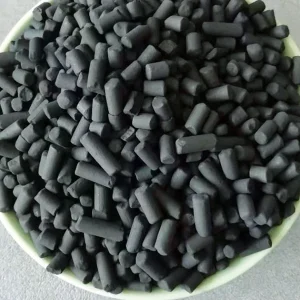
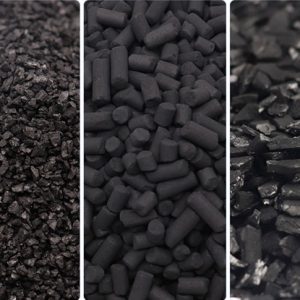
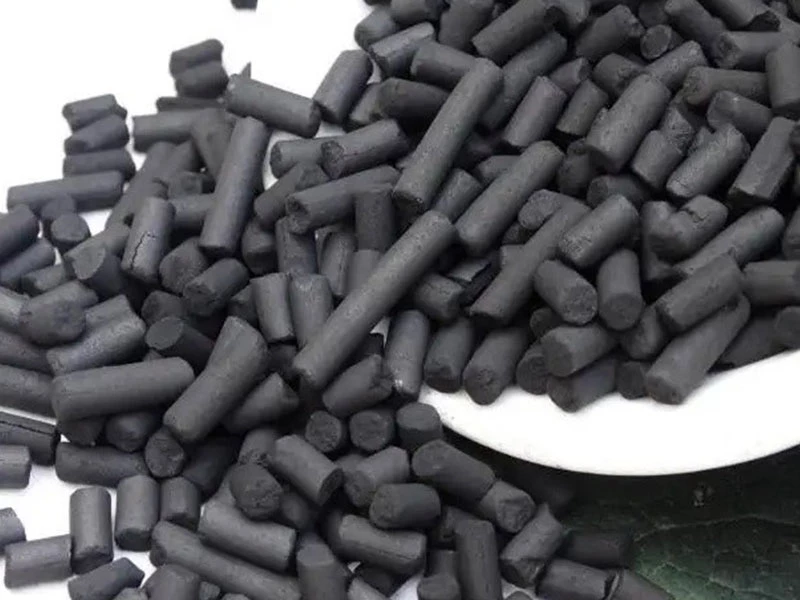
Wooden pellet activated carbon, also designated as columnar activated carbon, is manufactured from high-quality raw materials including wood chips and coconut shells, via a sequential process encompassing crushing, blending, extrusion molding, drying, carbonization, and activation.
Endowed with a large specific surface area, well-developed pore structure, high mechanical strength, potent adsorption capacity, and excellent chemical stability, this product is extensively applicable to the purification, filtration, and adsorption of gases, harmful/toxic substances, and microorganisms in chemical, pharmaceutical, food, and other industries, with recyclability.
Advantages
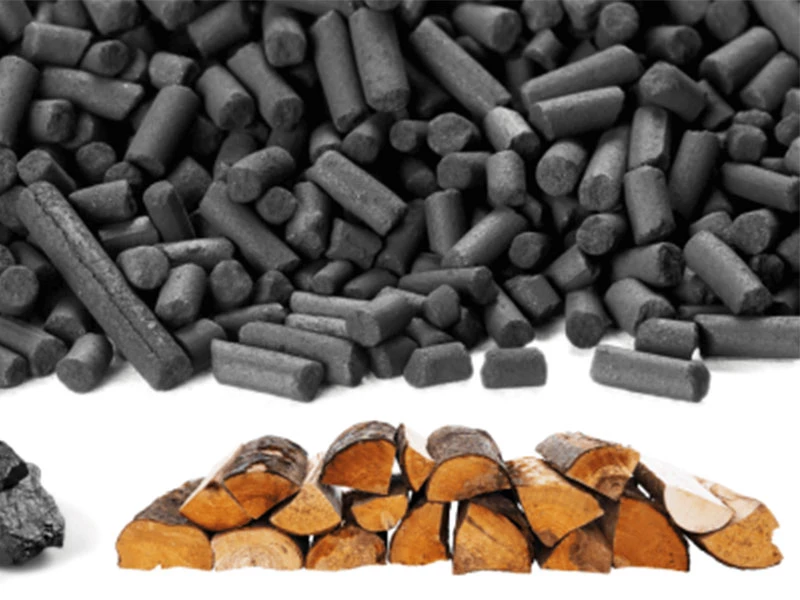
Utilizing premium sawdust and coconut shells as raw materials, this columnar activated carbon boasts lower ash content and fewer impurities. Compared with traditional coal-based columnar carbon, it exhibits absolute advantages in gas-phase adsorption capacity and CTC (Carbon Tetrachloride Adsorption) value. Its rational pore size distribution maximizes adsorption and desorption efficiency, thereby significantly extending the service life (average 2-3 years), which is 1.4 times that of conventional coal-based carbon.
Applications
It is widely used in food processing, chemical engineering, pharmaceuticals, raw material purification, and as a catalytic carrier, particularly in the monosodium glutamate industry. Additionally, it finds extensive application in liquid decolorization and refinement in the food and chemical sectors. It is also suitable for the decolorization of vitamin C, nucleic acid injections, antibiotics, hormones, etc., and serves as an excellent adsorbent for various starch syrups. Furthermore, it is applicable to water and air purification.
Zhongchuang wooden pellet activated carbon adopts proprietary binder-free molding technology, abandoning the traditional molding method that utilizes binders such as coal tar and starch. Free of any binders, it relies entirely on the intermolecular affinity of carbon and the inherent properties of the raw materials themselves. Through scientific formulation, this technology effectively prevents carbon pore clogging and fully exerts the adsorption function of the rich, well-developed carbon pores.